
FPV Drone Filming in Dubai: The Complete Guide for Producers
What FPV drones can and can't do on a commercial shoot in Dubai — cinelifter vs freestyle vs Cinewhoop, safety, approvals, and how to plan a one-take sequence.
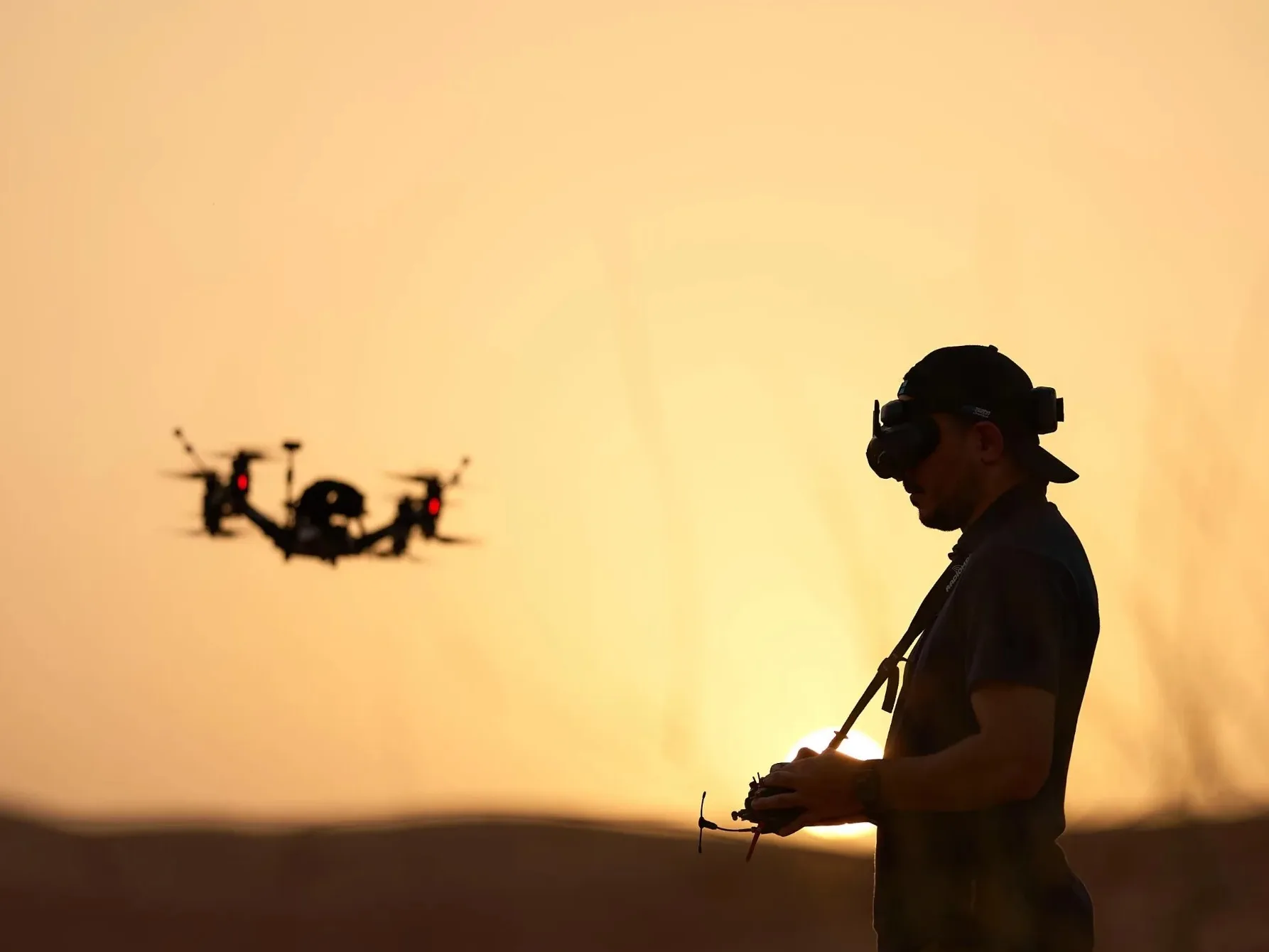
FPV — first person view — means the pilot flies wearing goggles, seeing exactly what the camera sees, with no stabilization gimbal doing the thinking. It's the closest thing filmmaking has to a camera that can go anywhere: through a doorway, down a stairwell, under a bridge, alongside a moving car and straight up over a skyline, in one unbroken shot.
I've been flying FPV commercially in the UAE since the format arrived here for over 7 years. This guide is what I wish every producer knew before the first call.
1. FPV is a move, not a look
The most common brief we get is “we want an FPV video”. FPV isn't a style you apply to a film — it's a way of moving through space. It works when there is a journey worth taking: a building you can travel through, a product you can orbit, an athlete you can chase, a venue you can reveal from inside out.
If the shot is a slow rise over a tower at sunset, that's a cinema drone. Paying for FPV to fly like an Inspire is money spent on nothing.
2. The FPV fleet and when each aircraft is right
| Aircraft | Use case | Camera |
|---|---|---|
| Cinelifter (9" to 13") | Hero commercial sequences, car chase, big architecture | Sony / RED Komodo 6K / cinema body |
| Indoor Cinelifter 6" | Indoor halls or bigger venues that requires higher quality cameras | Sony / RED Komodo 6K / cinema body |
| Freestyle (5" to 7") | High speed, chase and dive shots, Long-range options | GoPro HERO 13 / DJI Osmo or 360 / Sony |
| Cinewhoop 3" (ducted) | Indoors, close proximity, near people | Lightweight action cam / O4 Pro |
| Tiny whoop 2" | Very tight interiors, product moves, walkthroughs | Lightweight action cam / O4 Pro |
| DJI Avata 2 | Fast turnaround indoor and event coverage | Onboard |
Ducts matter. A ducted Cinewhoop can operate in spaces and around people where an open-prop drone cannot, which is why indoor filming in the UAE is a Cinewhoop conversation, not a Mavic conversation.
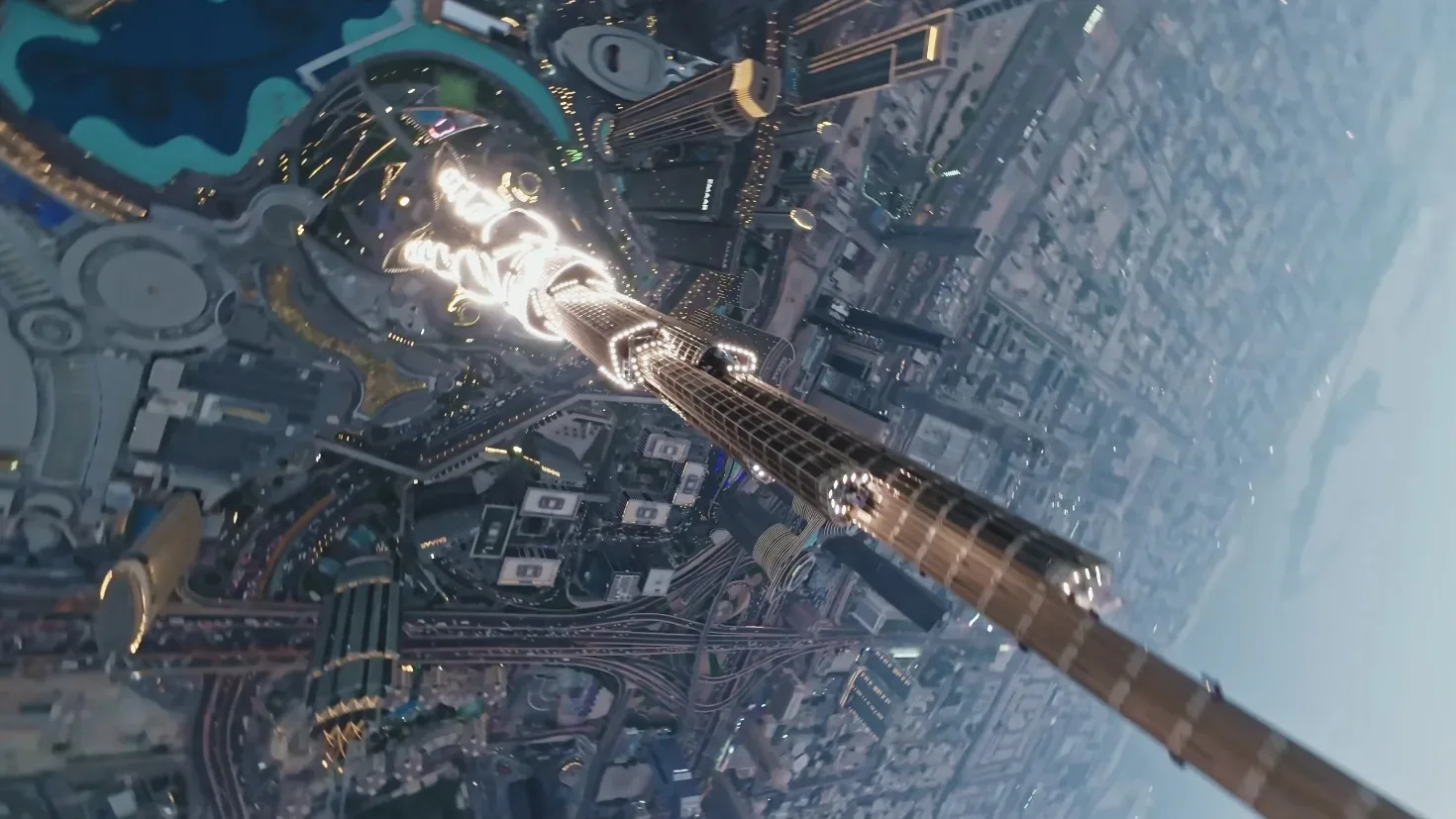
3. How a one-take FPV sequence is actually built
- Recce. We walk the route on foot, measure gaps, find the exits and identify what happens if a link drops at each point.
- Previz. The route is drawn as a path with timings, so the client sees the shot before the shoot day.
- Rehearsal flights. Usually with a tiny whoop first, then the hero aircraft. Talent, lighting and drone all rehearse together — an FPV one-take is choreography.
- Takes. Expect 5–8 passes. Batteries are 3–5 minutes; the crew turnaround between them is what dictates the day's schedule.
- Post. FPV footage needs stabilization passes, rolling-shutter clean-up, speed ramping and a grade that matches the ground unit.
A single hero FPV sequence typically needs a half to a full day on location.
4. Safety and approvals for FPV in the UAE
FPV sits under the same civil aviation framework as any other drone operation: GCAA at federal level, DCAA inside Dubai, plus the Dubai Film and TV Commission filming permit and — depending on the site — Ministry of Defense clearance, ATC coordination and a NOTAM. Because FPV flies faster, lower and closer to structures and people, reviewers look harder at the risk assessment.
What a proper FPV operation puts in the file: aircraft specs and weights, pilot license and logged hours, a route map with altitudes, an exclusion zone plan, a spotter, prop guards where relevant, third-party insurance, and an emergency procedure per segment. Full detail on the approval chain is in the UAE drone permits guide.
5. What FPV costs
An FPV day in Dubai carries a premium over a standard cinema drone day: the aircraft are custom-built and consumable, the crew is very specialized, and the shot count per battery is lower. See the 2026 price guide for ranges, or build a spec on the estimator.
Explore projects related to this service.
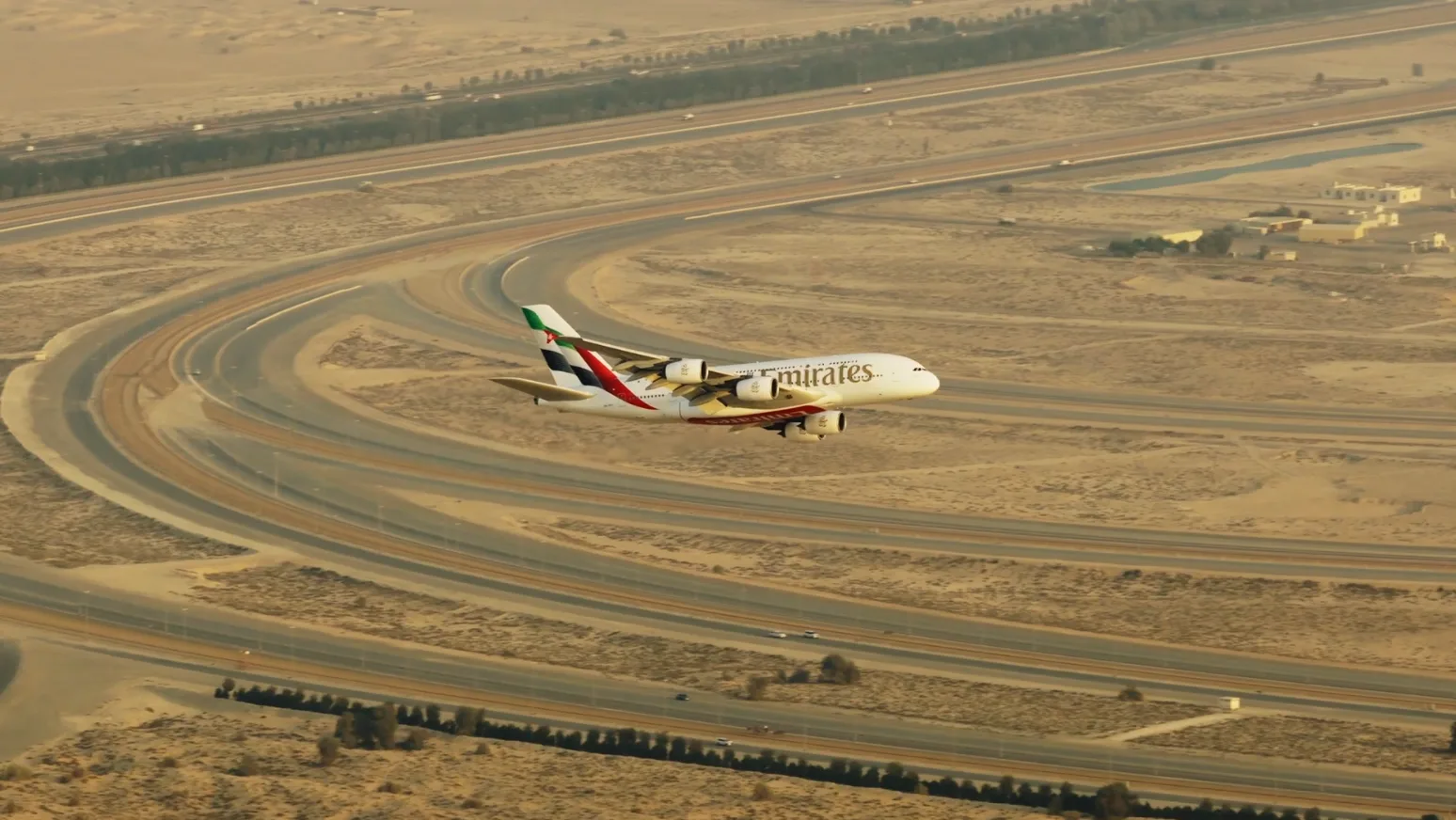
Emirates Dubai 7s
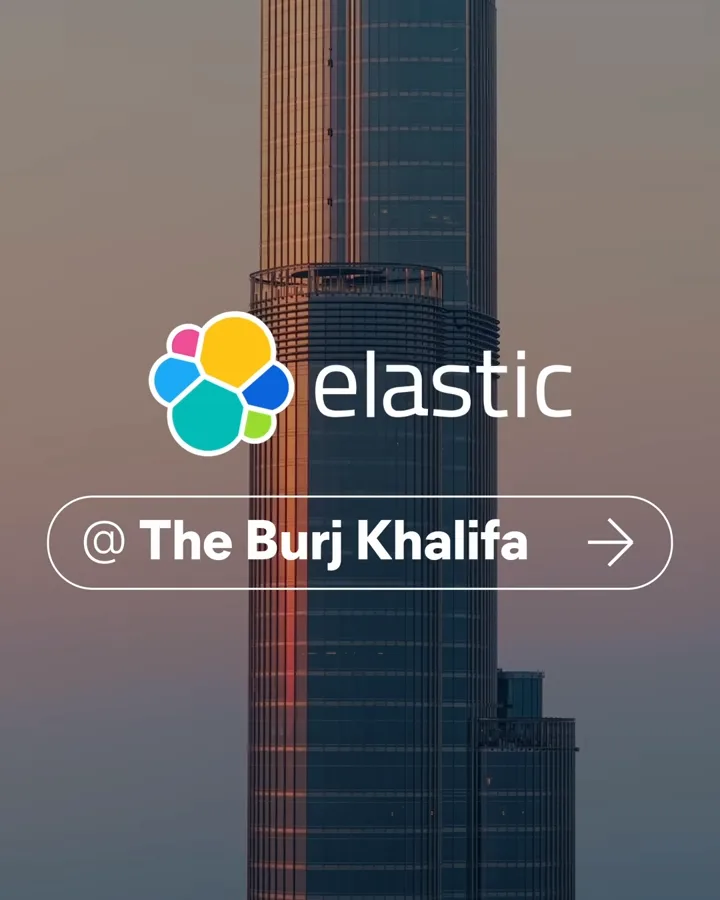
Elastic lights up the Burj Khalifa!
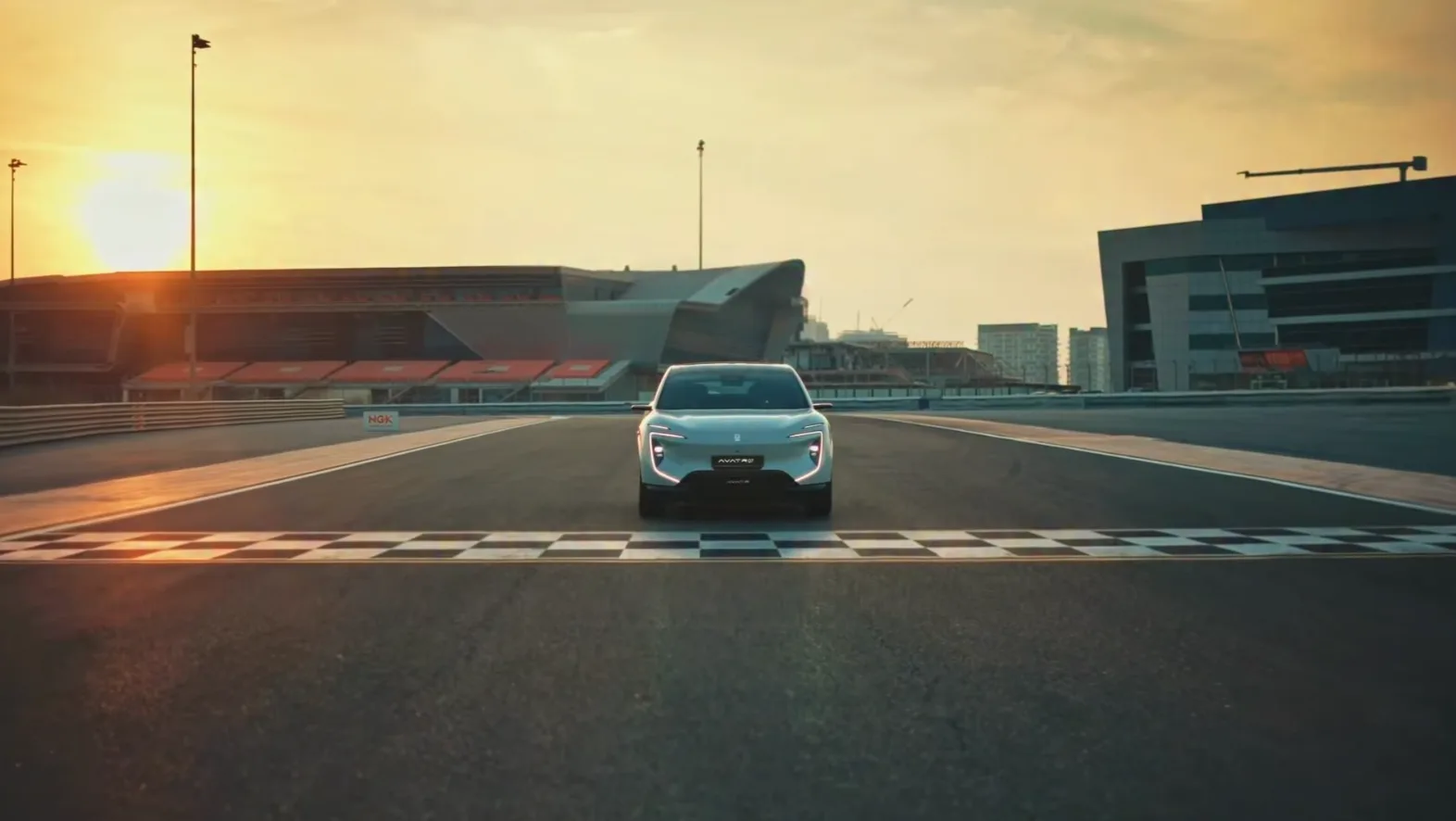
AVATR 07 - The Future of Premium EVs in the UAE
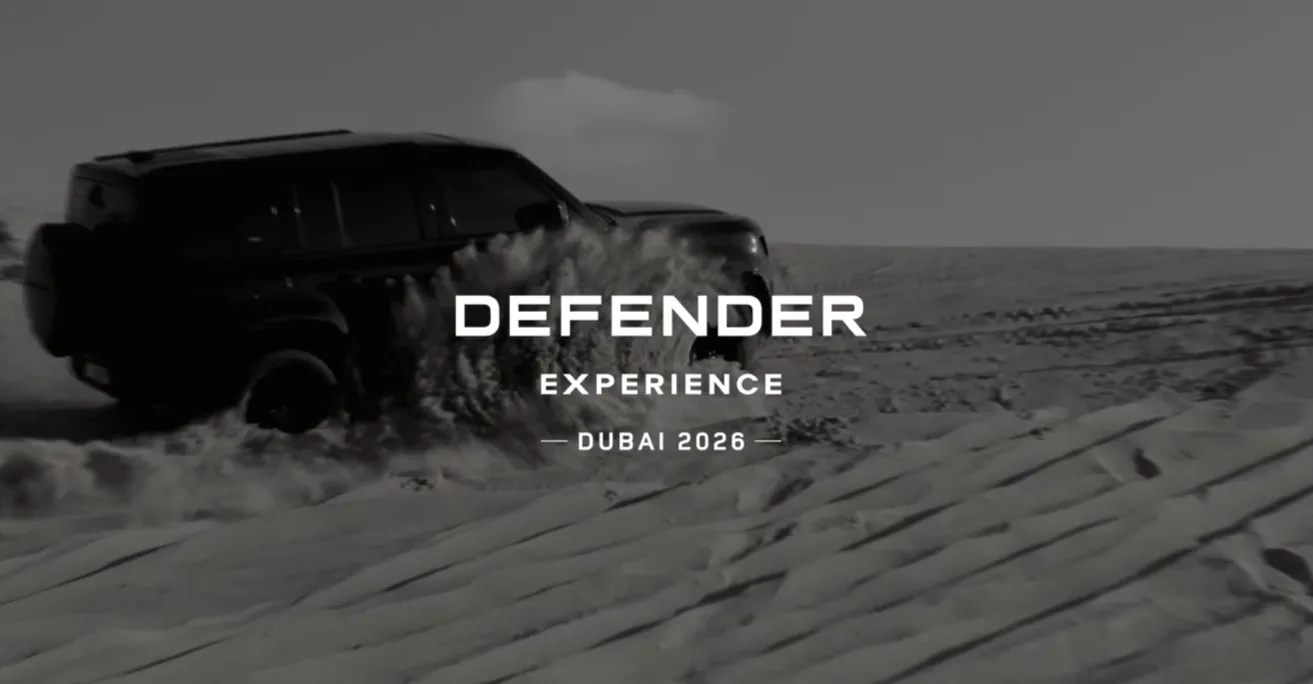
Range Rover Defender Experience
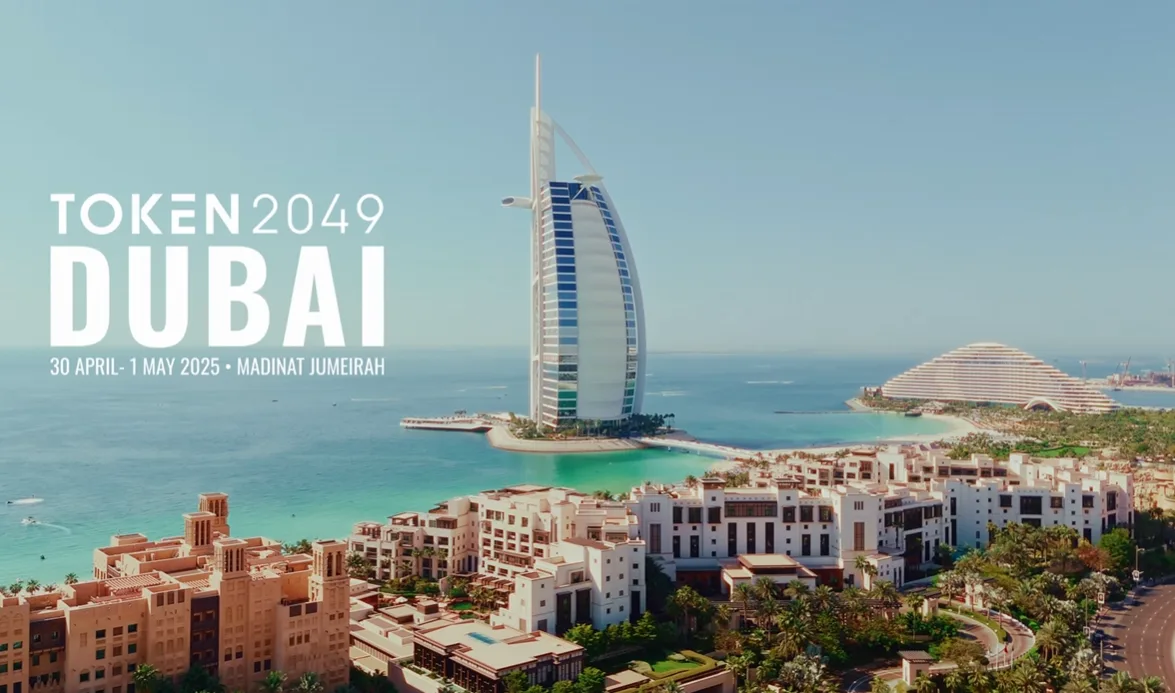
TOKEN2049
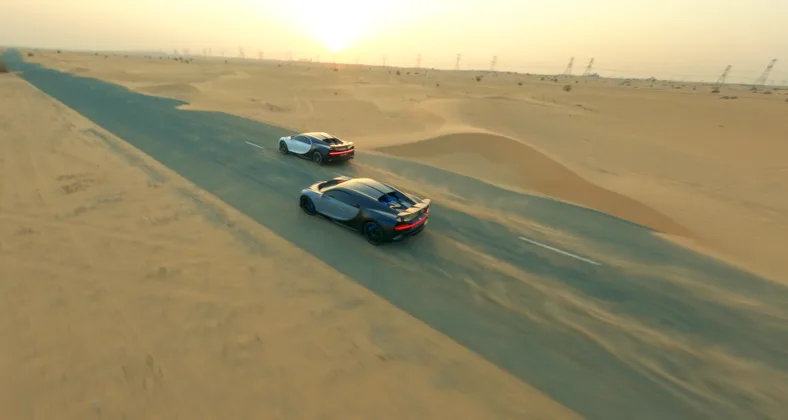
VIP Motors
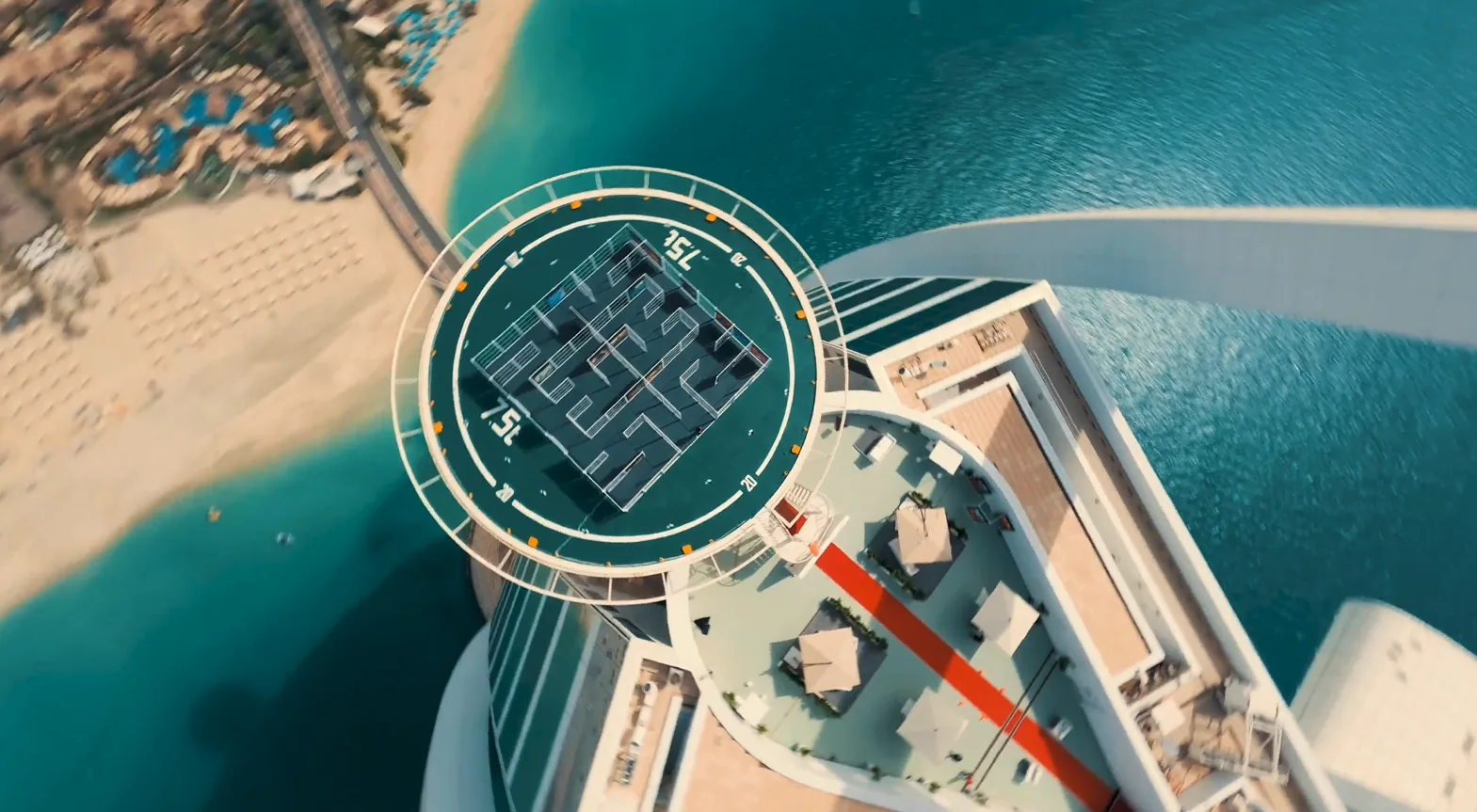
‘The Art Maze:’ a first-of-its-kind art gallery experience on Burj Al Arab
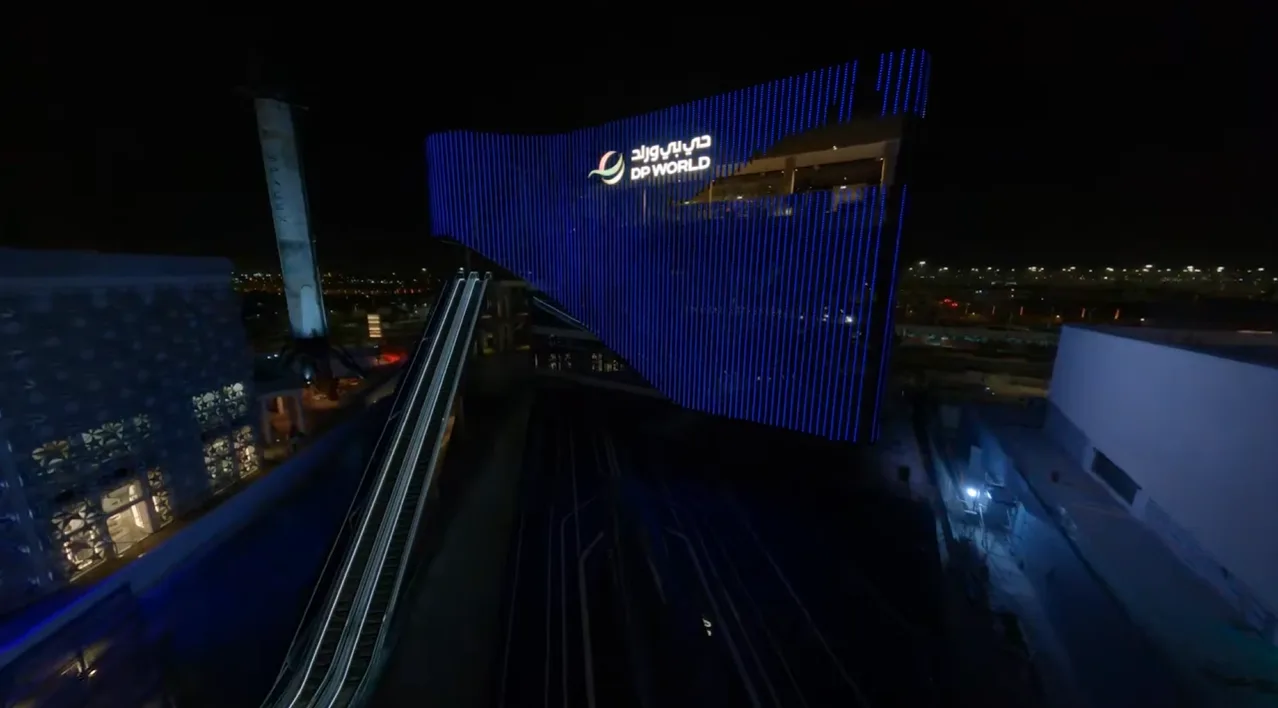
DP World at Expo 2020 | Flow Pavilion
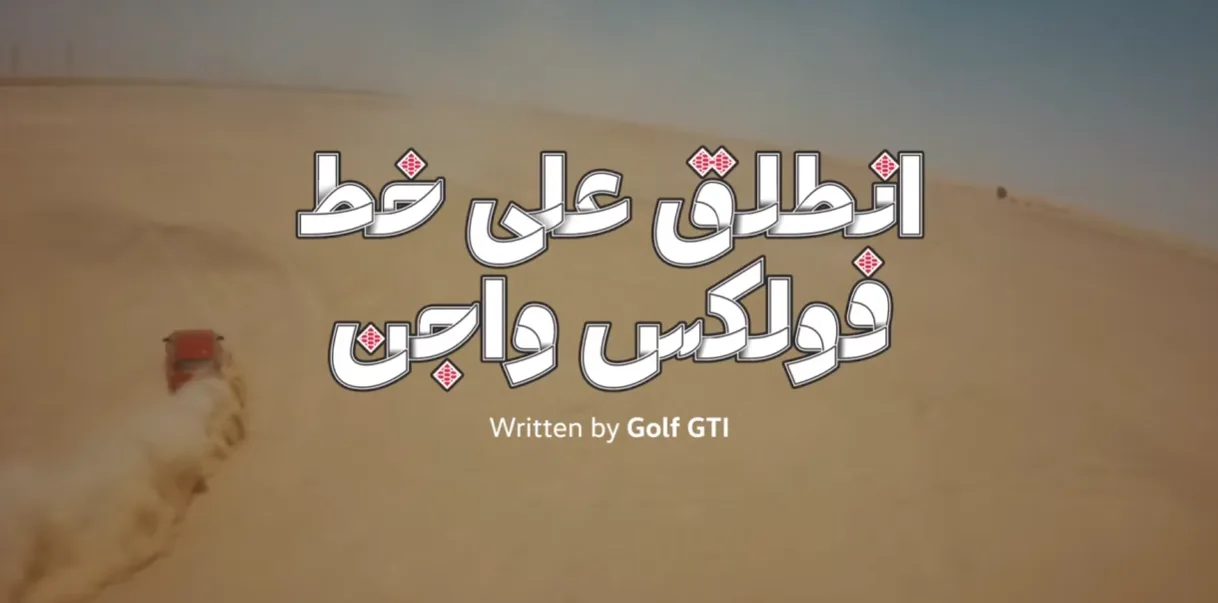
Golf GTI: An Arabic Calligraphy Project
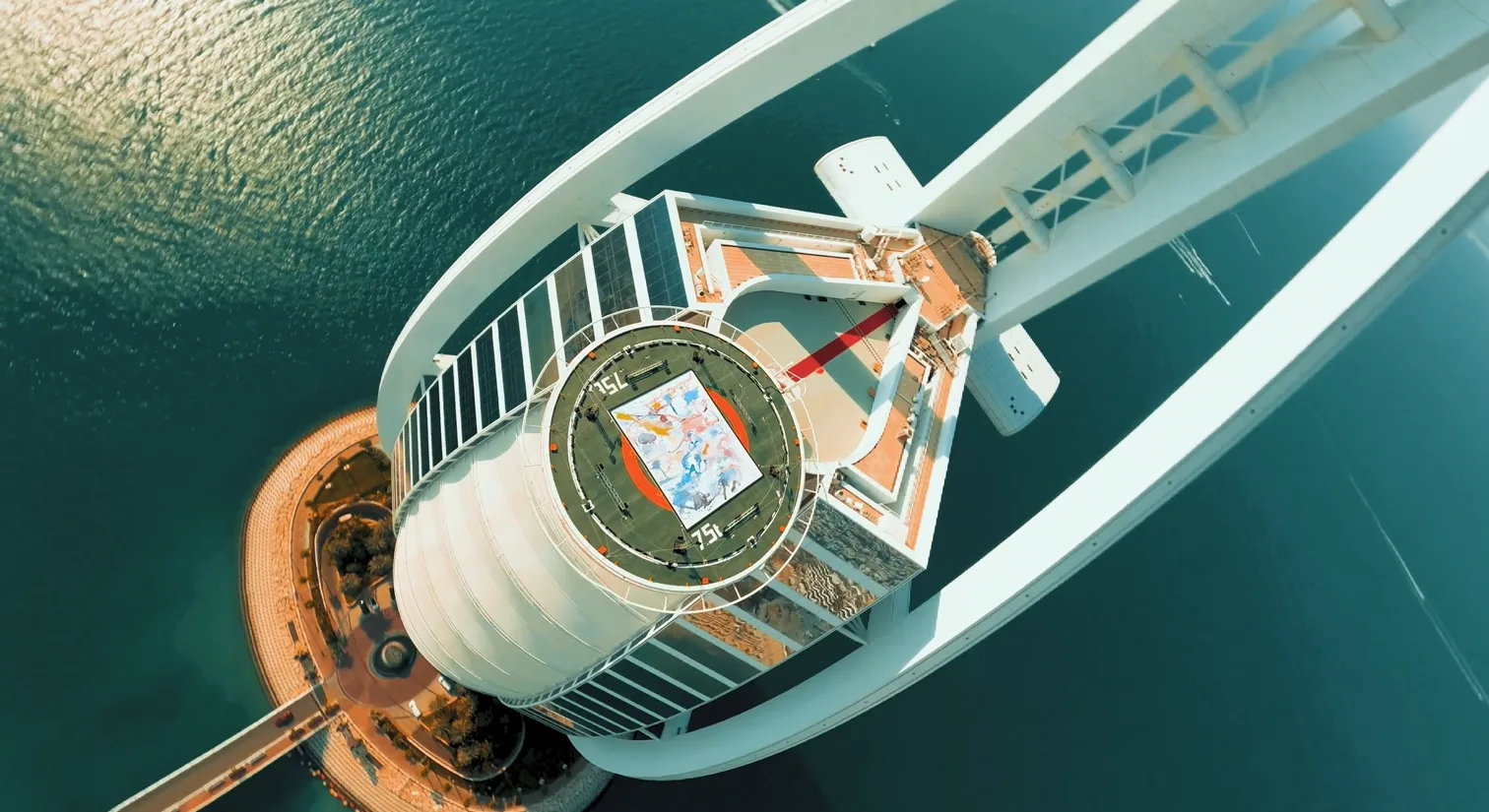
Sacha Jafri Live Painting on top of Burj Al Arab helipad
Ford returns to #Liwa2026
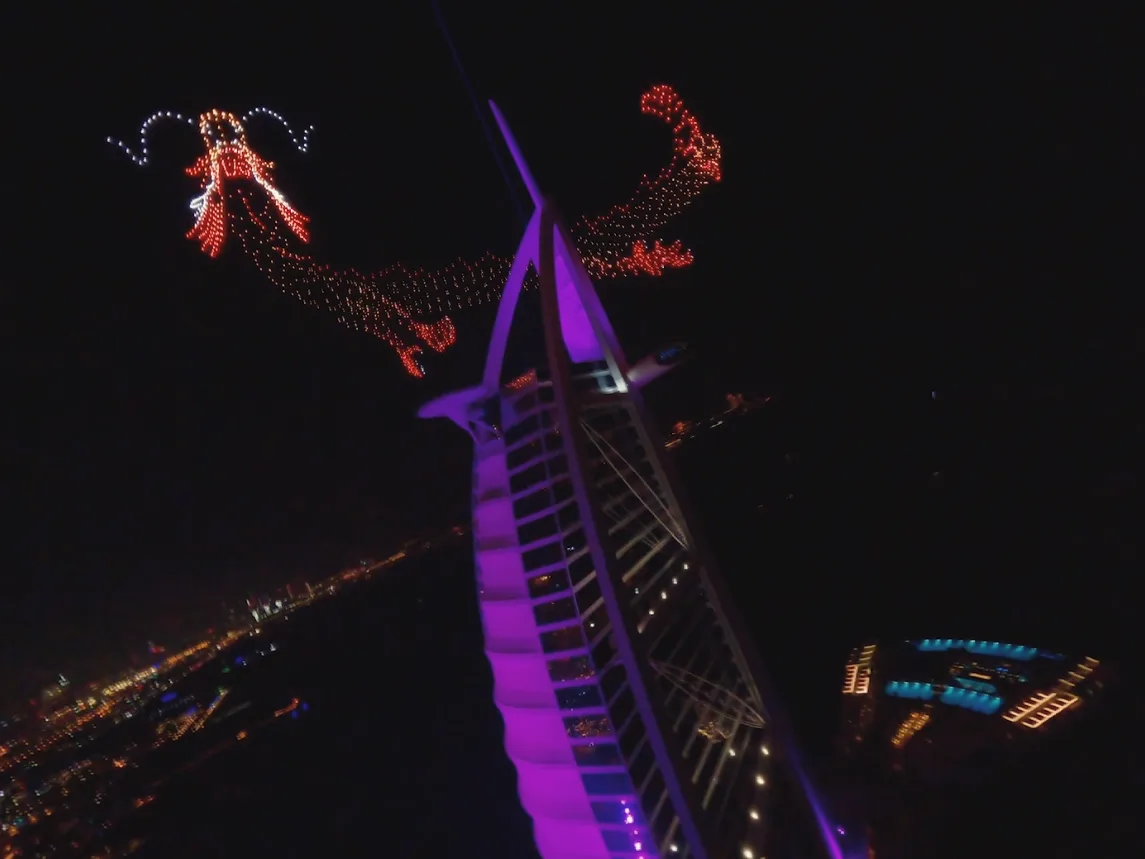
Burj Al Arab - Chinese New Year's Drone Show World Record
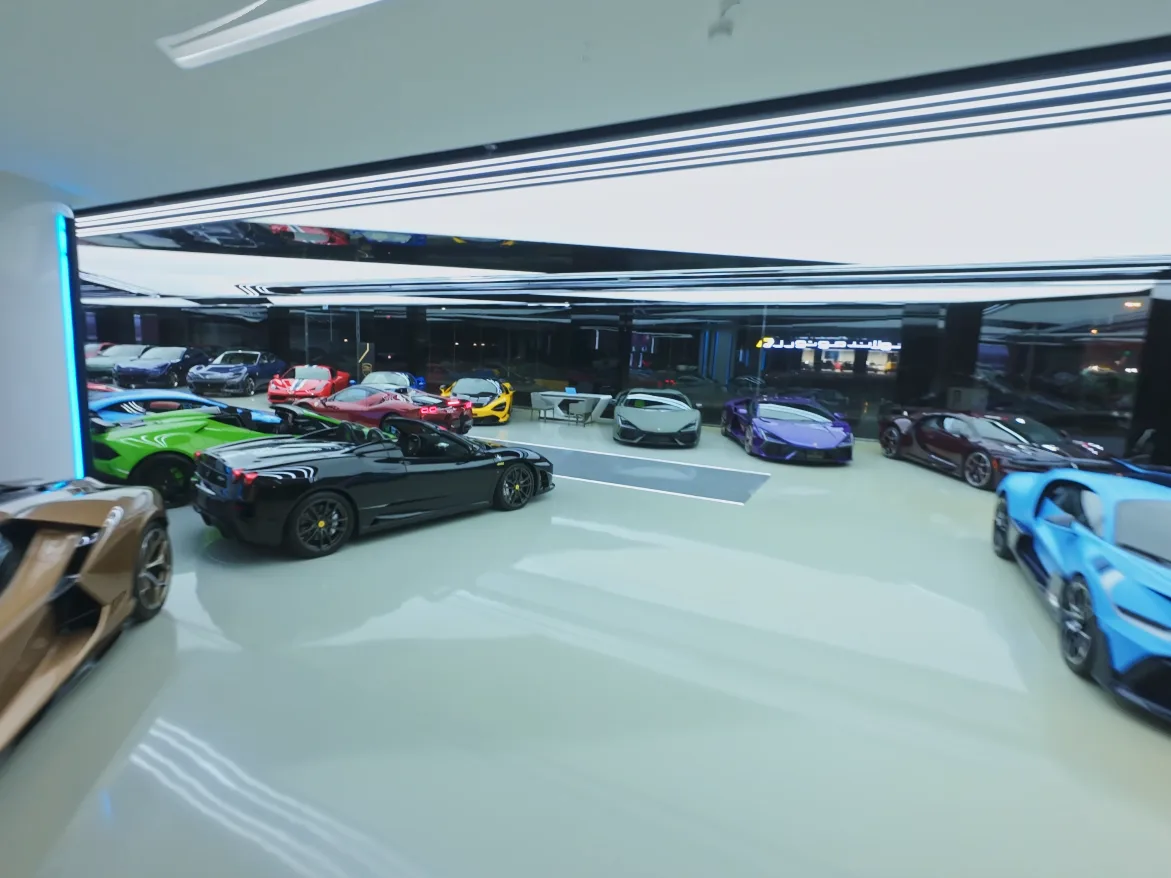
Exotic Cars Dubai
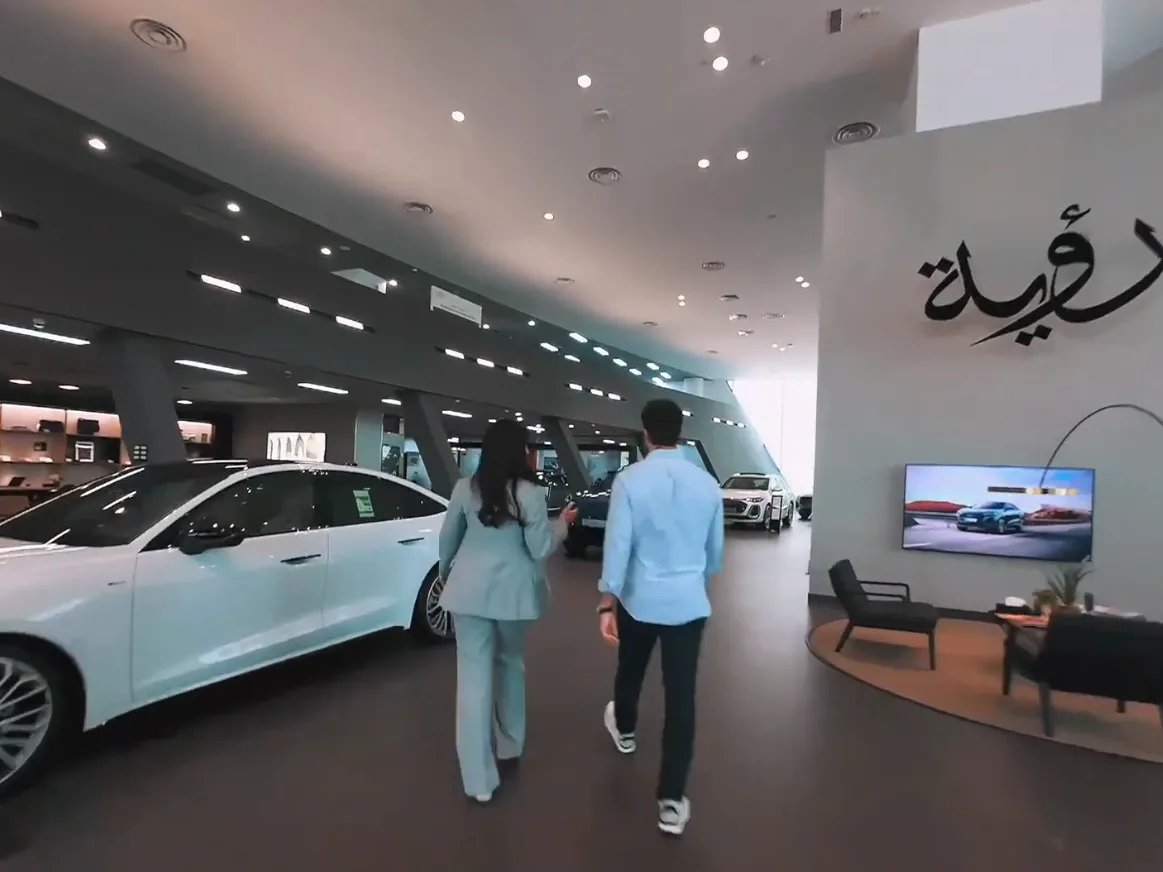
Audi Progressive Retail Showroom in Dubai

One Miral 2025 at Etihad Arena | Together We Celebrate, Together We Grow
Have a sequence in mind?
Send the location and the route you're imagining — we'll tell you whether it flies, and with which aircraft.
Talk to the pilot