

Dubai Filming Permits: A Producer's Guide to DFTC, Locations and Approvals
What a Dubai filming permit covers, what it does not, which locations need separate sign-off, and how to build an approval timeline that survives contact with a schedule.
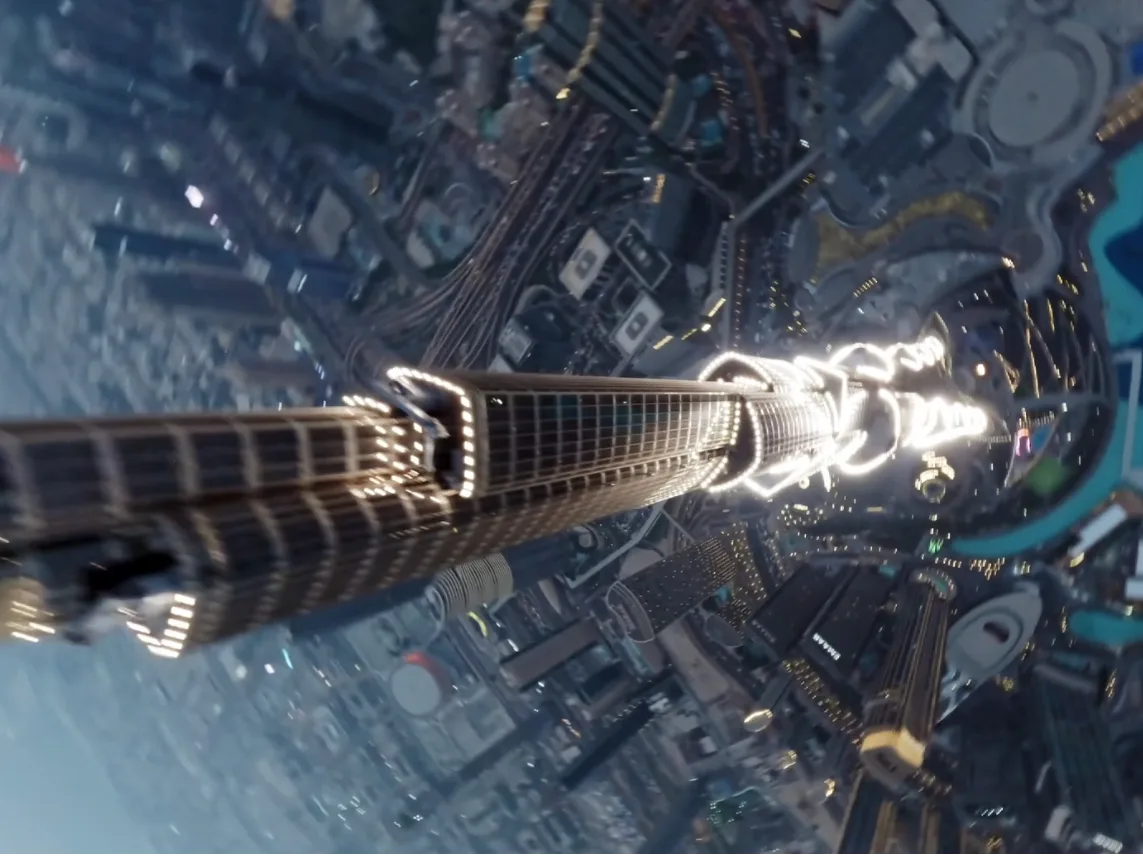
Dubai is a permit city. Almost every frame shot with a professional crew — even a two-person interview setup on a public street — is expected to be covered by a filming permit. The good news is that the system is fast, digital and predictable once you understand who owns what.
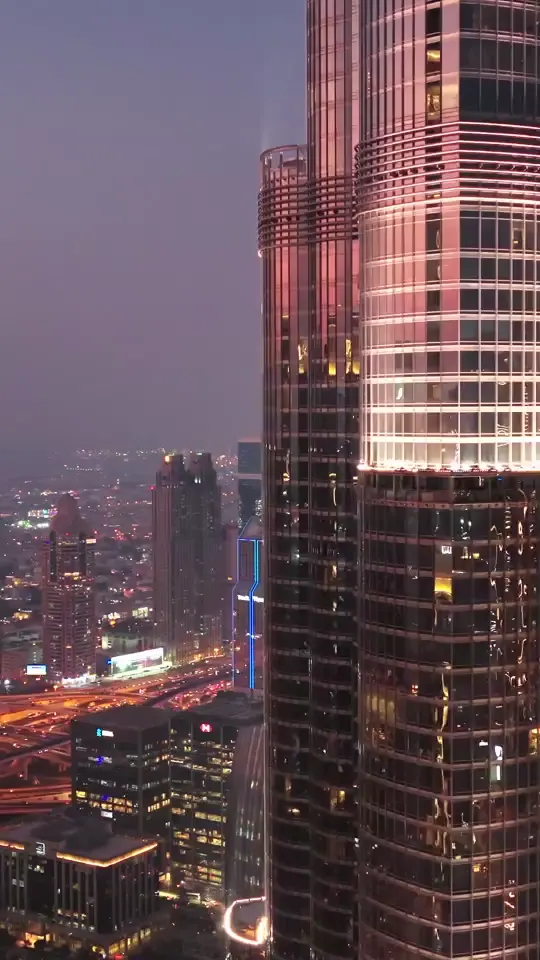
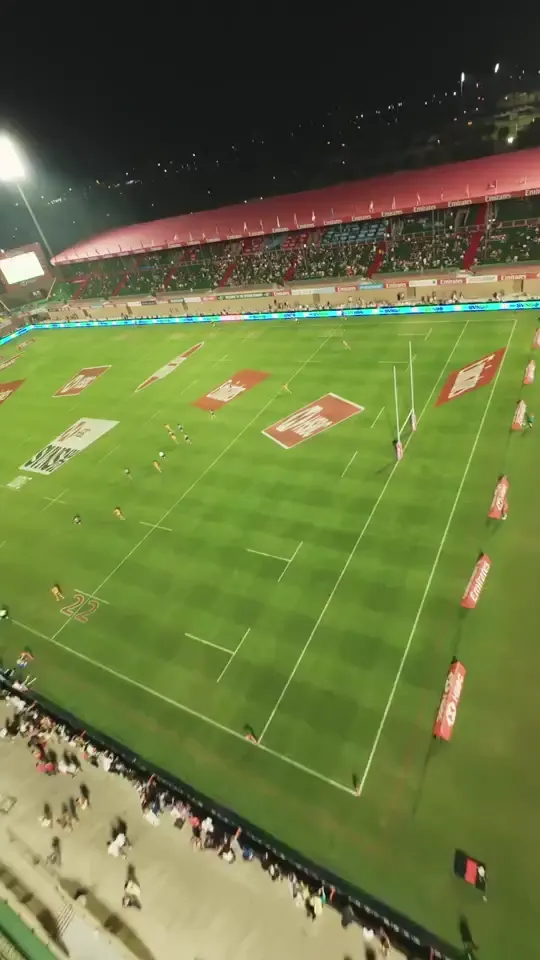
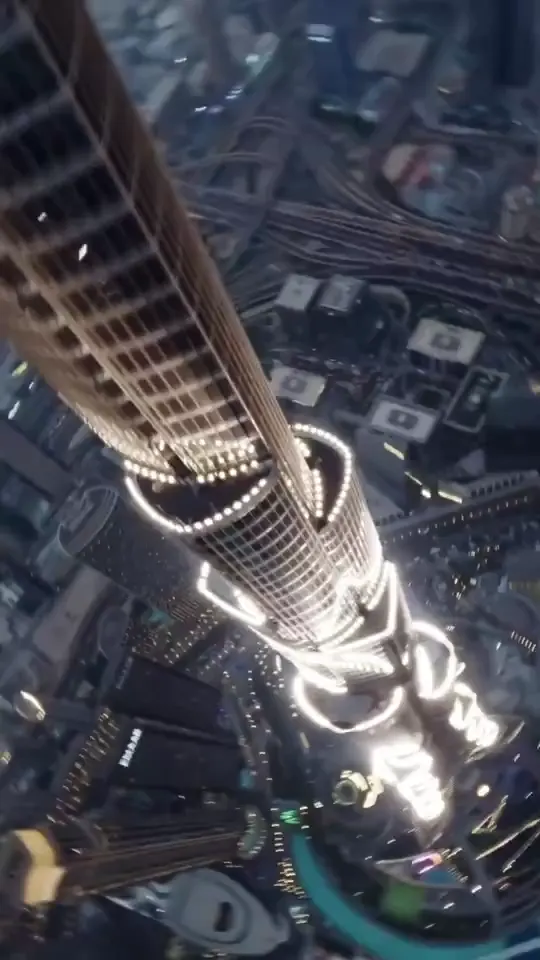
The base permit
The Dubai Film and TV Commission issues the emirate-level filming permit. Applications are made by a licensed local production company and include the project description, schedule, locations, crew list with passport details, equipment list, vehicles and insurance. Turnaround for a routine request is typically a few working days; sensitive content, sensitive locations or large footprints take longer.
The approvals the permit does not include
A DFTC permit is not a master key. On top of it you will often need:
- Location owner approval — Emaar for Downtown and Dubai Marina areas, Nakheel for the Palm, DIFC, Dubai South, malls, hotels, private towers and communities each run their own process and fee schedule.
- Police coordination — for anything involving crowds, stunts, weapons, uniforms, vehicles at speed, or a footprint that affects the public.
- RTA — for road closures, lane holds, tracking vehicles, camera cars and anything shot from a moving platform on a public road.
- Aviation approvals — GCAA and DCAA for drone flights, plus air navigation and ATC coordination, a NOTAM where required, and Ministry of Defence clearance for sensitive areas.
Lead times that work
As a planning rule: three to five working days for a simple interior or private-property shoot, one to two weeks for public locations with a developer approval, two to three weeks when a drone is involved in normal city airspace, and three weeks or more for anything near an airport, a military area, a government building, a port or a royal property. Submit early and amend rather than waiting for a locked schedule.
What gets rejected
Content that misrepresents the country, filming people without consent, drone flights over crowds without the right classification and clearances, shoots that block public access without RTA and police coordination, and applications with incomplete crew or gear lists. Most rejections are administrative, not political.
Practical habits of productions that never get stopped
Carry the permit — printed and on a phone — on every unit. Brief every crew member on the approved footprint. Keep the drone paperwork with the pilot, including the operator authorisation, the location approval and the flight window. Have a named person whose only job is liaison with security and police at the location. And never let a small pickup crew shoot "quickly" without a permit; that is how productions end up with equipment held and a day lost.
Aerial specifics
If your shoot includes a drone, tell the permit team on day one, not after the ground permit is issued. Airspace approvals run on a different clock and a different authority chain, and a drone request submitted late is the single most common reason an otherwise clean Dubai shoot loses a sequence.
Related services and guides
Explore projects related to this service.
Planning a shoot in the UAE?
We handle the aerial permit chain end to end — tell us your locations and dates.
Estimate your shoot