
Indoor Drone Filming in Dubai: Cinewhoop, Tiny Drones and Flying Around People
How indoor FPV filming works in the UAE — ducted Cinewhoops, tiny drones in tight spaces, safety around guests and staff, and what venues need before they say yes.
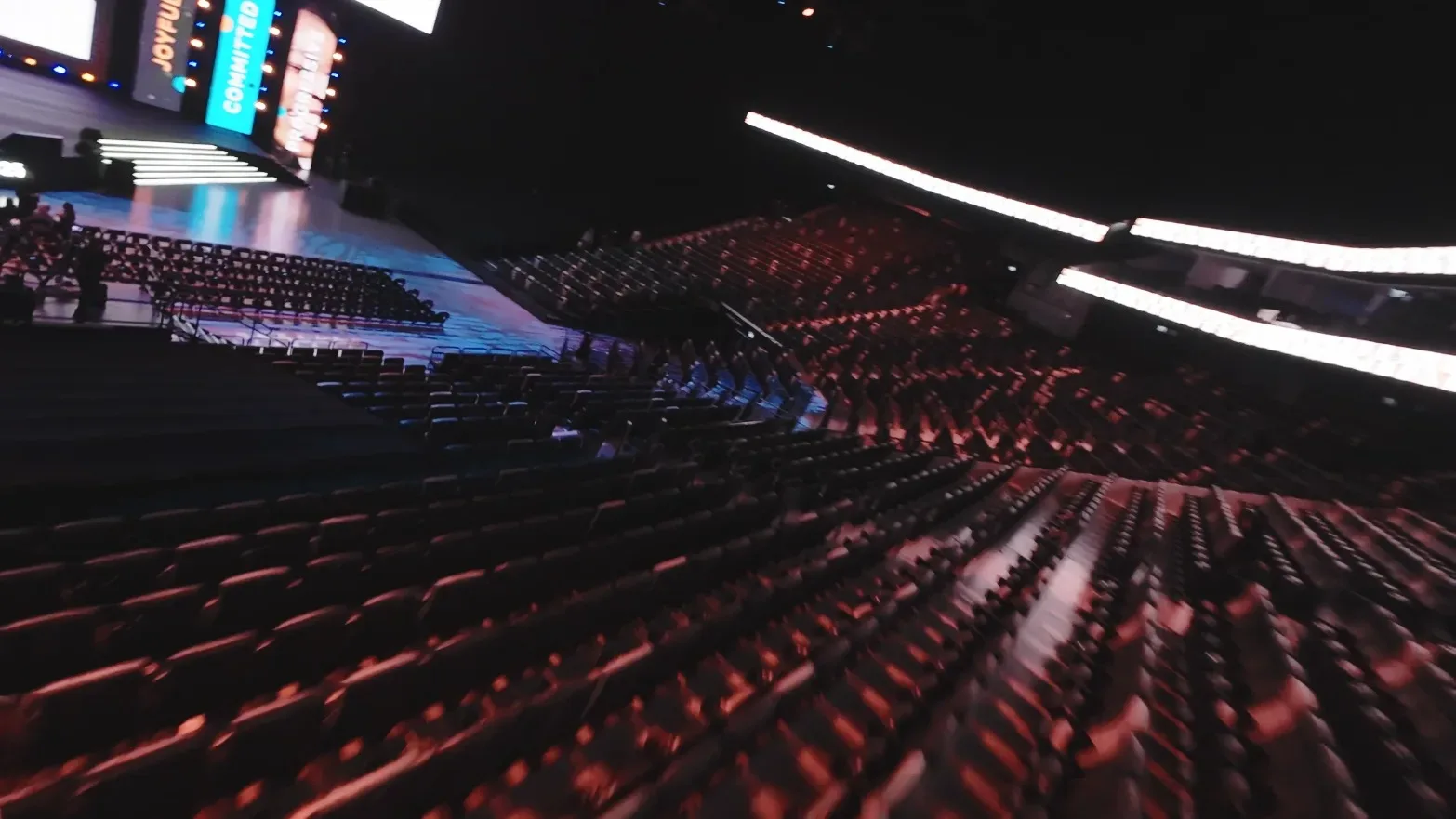
The single-take indoor fly-through — through the entrance, past the bar, up the stairs, into the suite, out onto the balcony — has become the default way to show a space. It looks effortless. It is the most technically demanding drone work there is.
Here's how indoor drone filming actually works in Dubai, and what a venue needs to know before it agrees.
Why a normal drone can't do it
A Mavic or an Inspire relies on GPS and open space. Indoors there is no GPS, no room for error, exposed propellers close to people and furniture, and downwash that knocks over anything light. Flying one inside a functioning venue is not a professional option.
The correct tools are:
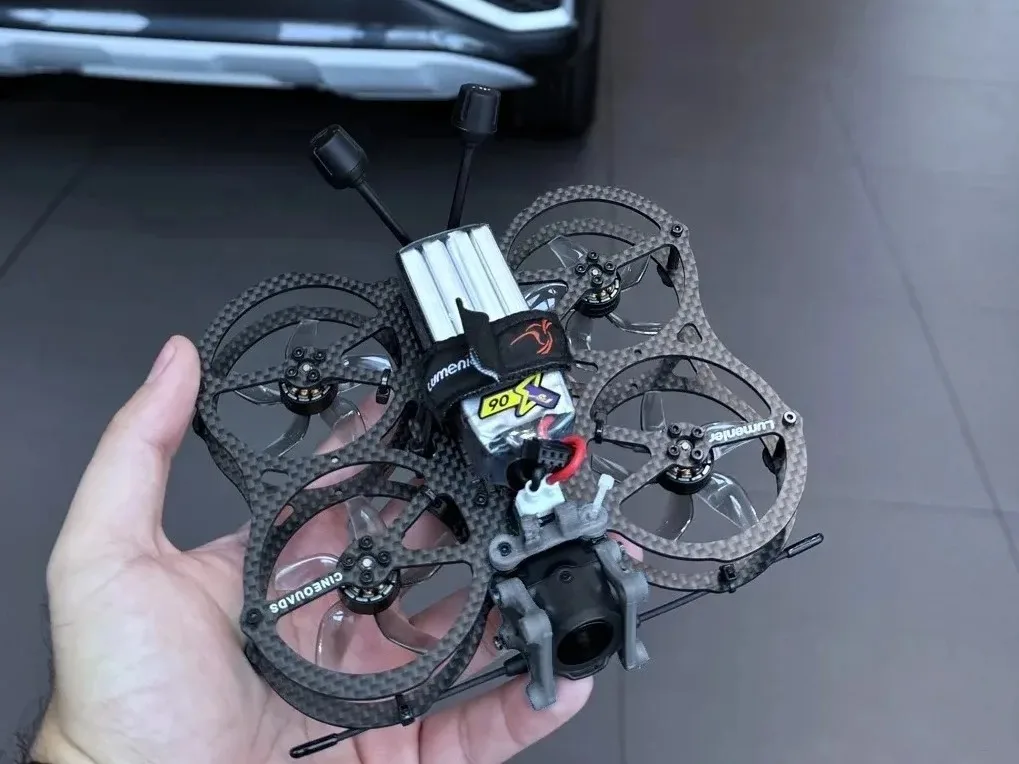
- Cinewhoop (3", ducted). The propellers sit inside protective ducts, so a brush against a wall, a curtain or a person is an incident rather than an injury. This is the workhorse for hotels, restaurants, showrooms, gyms and event spaces.
- Tiny whoop (2"). Small enough for gaps a Cinewhoop can't take — between chairs, through a car window, over a plated dish, along a shelf. Used for product moves and very tight interiors.
- DJI Avata 2. Fast to deploy for coverage and BTS where the shot doesn't need a cinema-grade camera.
Filming around people
Flying near guests, staff or talent is a decision, not an accident. What a professional operation puts in place:
- Ducted aircraft only, with propeller condition checked before every flight.
- A briefed, marshalled route with a spotter at every blind corner.
- Everyone in the flight path knows the drone is coming and what it will do.
- Rehearsals with the smallest aircraft first, at reduced speed, before the hero take.
- A defined abort: where the drone goes and who calls it.
- Third-party insurance issued in the venue's name, produced in advance.
Where the space is open to the public, the venue may also require the area to be held for the duration of the take. In practice this means shooting before opening, after closing, or in short controlled windows.
What makes a good indoor route
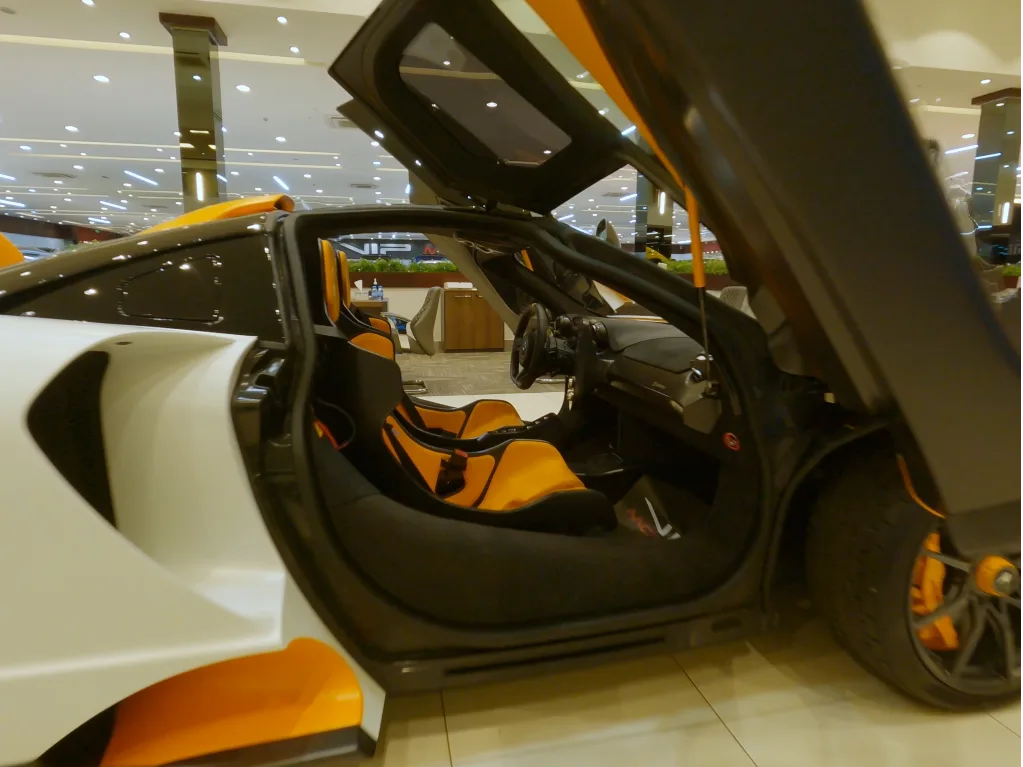
- A reason to travel. The shot should reveal something with each transition, not just move.
- Gaps of at least 60–80 cm for a Cinewhoop; less needs a tiny whoop and a slower pass.
- Light that works from every angle. The drone sees the whole room — practicals and fixtures have to hold up in all directions, not just towards one camera.
- An exit. The strongest indoor one-takes finish by leaving the building — a door, a window, a terrace — which turns an interior tour into a piece of cinema.
Permits for indoor filming
Indoor flights are lower risk to airspace but still sit inside the UAE's regulatory framework, and the venue's own permissions always apply. Practically: a filming permit for commercial work, the venue's written approval, insurance, DCAA Indoor Permit for Dubai, and — for semi-open spaces such as atriums, stadium bowls and covered but airside areas — outdoors permits as well. The full picture is in the UAE permits guide.
Explore projects related to this service.
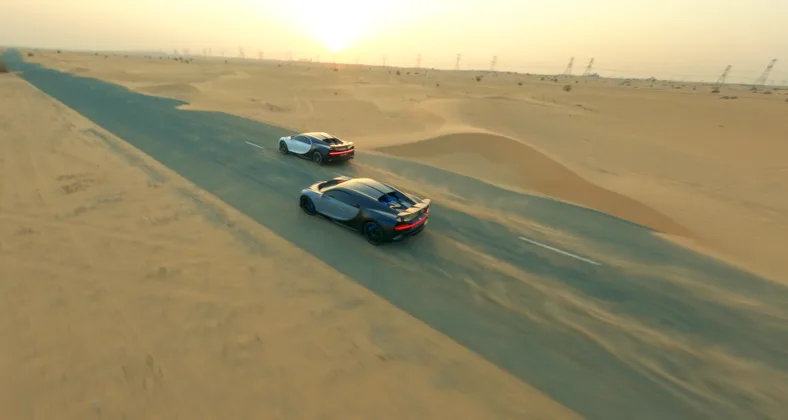
VIP Motors

Exotic Cars Dubai
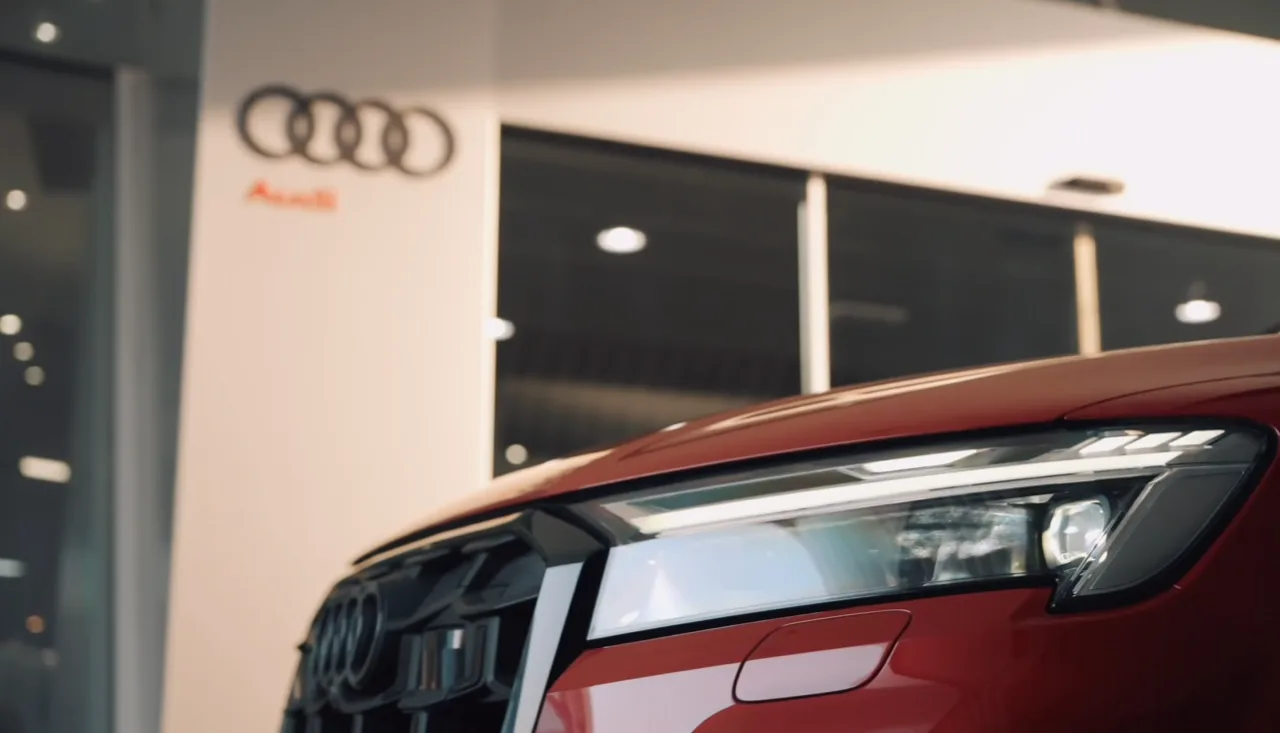
Audi Progressive Retail Showroom in Dubai

One Miral 2025 at Etihad Arena | Together We Celebrate, Together We Grow
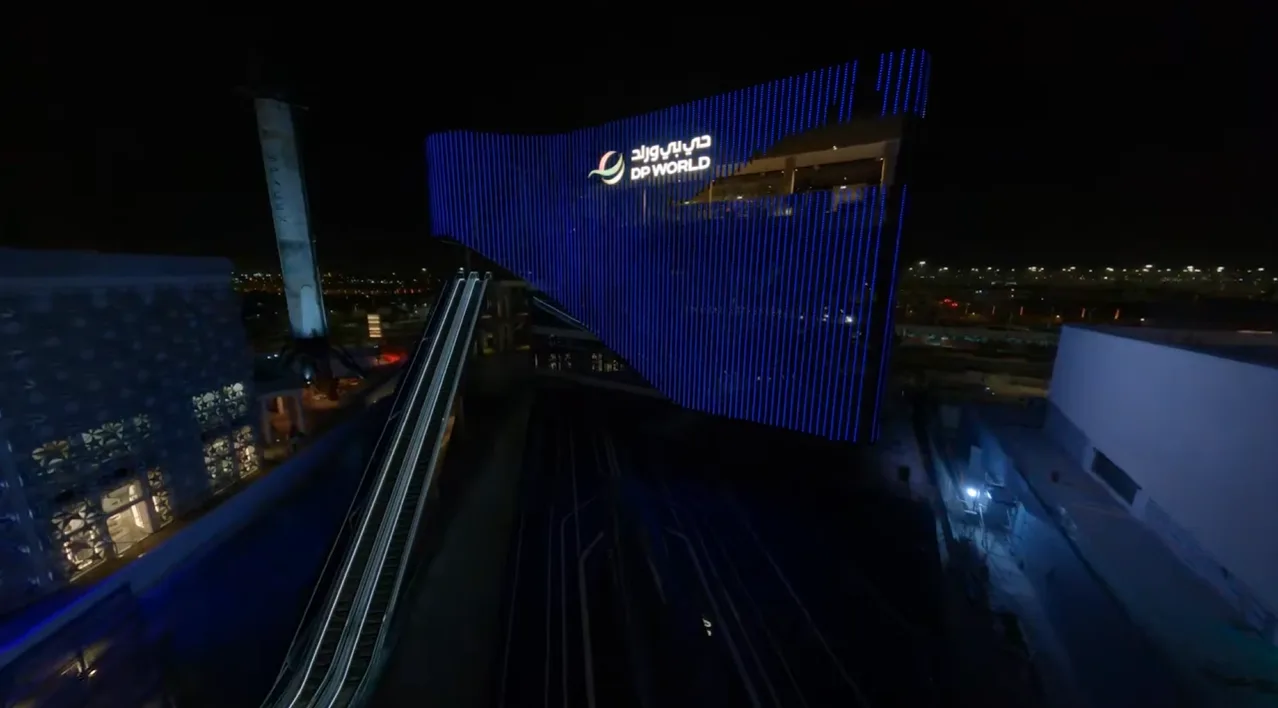
DP World at Expo 2020 | Flow Pavilion
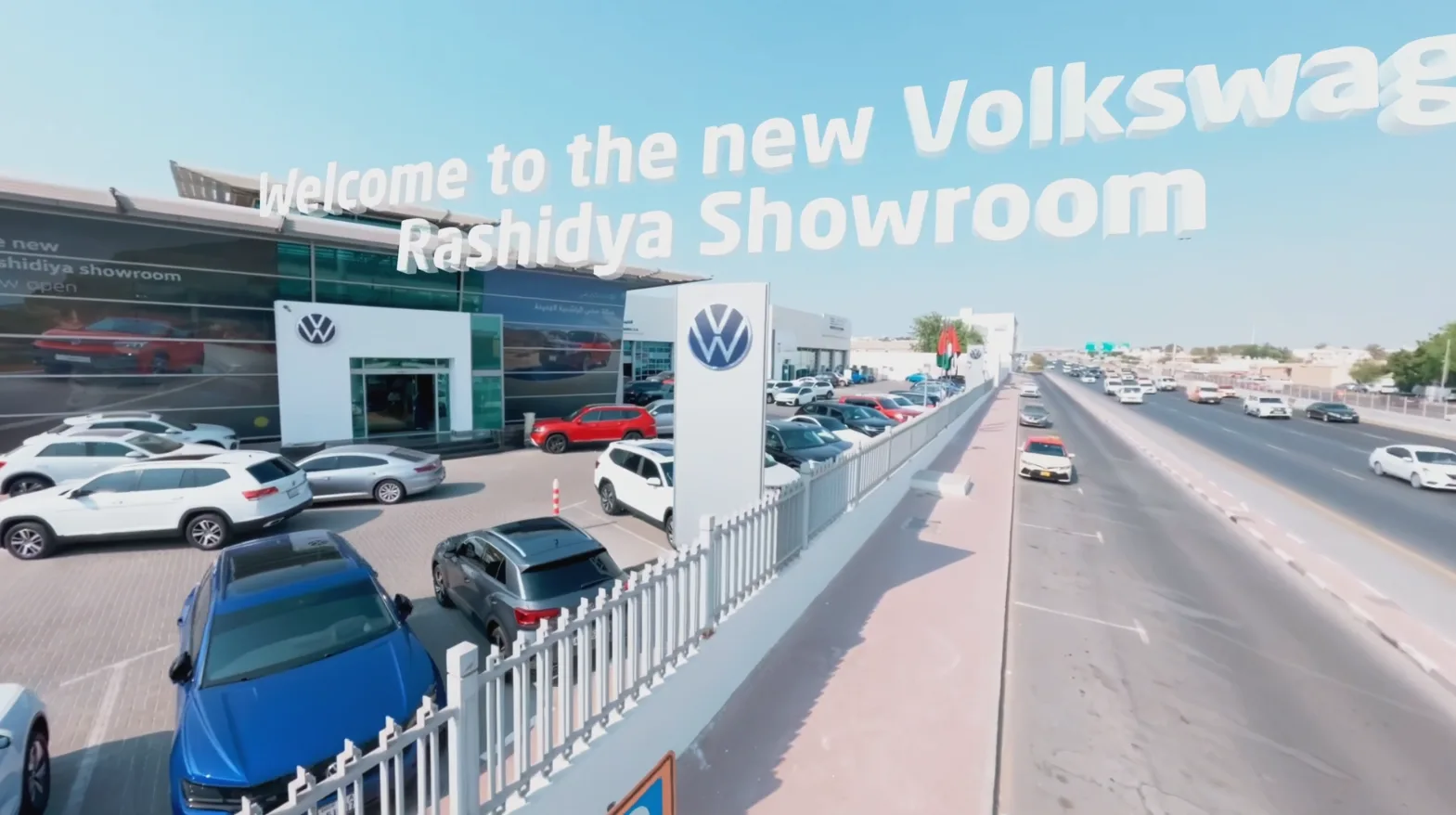
Volkswagen Rashidiya - Al Nabooda Automobiles
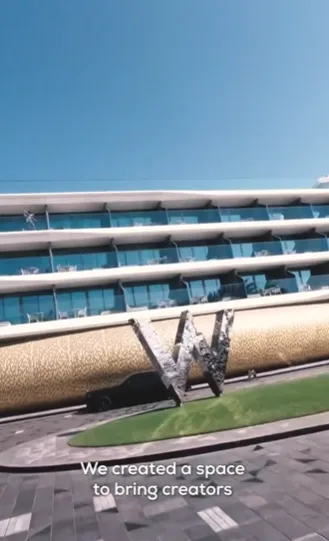
Crypto Content Creator Campus
Have a space you want to fly through?
Send photos or a floor plan and we'll design the route before you commit to a shoot day.
Plan an indoor shoot